


Bonjour from the French Riviera and the 2026 Festival de Cannes, cinema’s biggest and most exclusive two weeks of the year (or at least as the people that run the Cannes Film Festival would like you to believe). Since my first Cannes four years ago, the festival has only increased in visibility and impact with Palme d’Or contenders regularly making the Best Picture lineup nearly a year after the festival. Over the next few days I’ll send out dispatches on the best movies I’ve seen, with some fun insider scoops on what it’s like to attend the festival. C’est parti!

All Of A Sudden
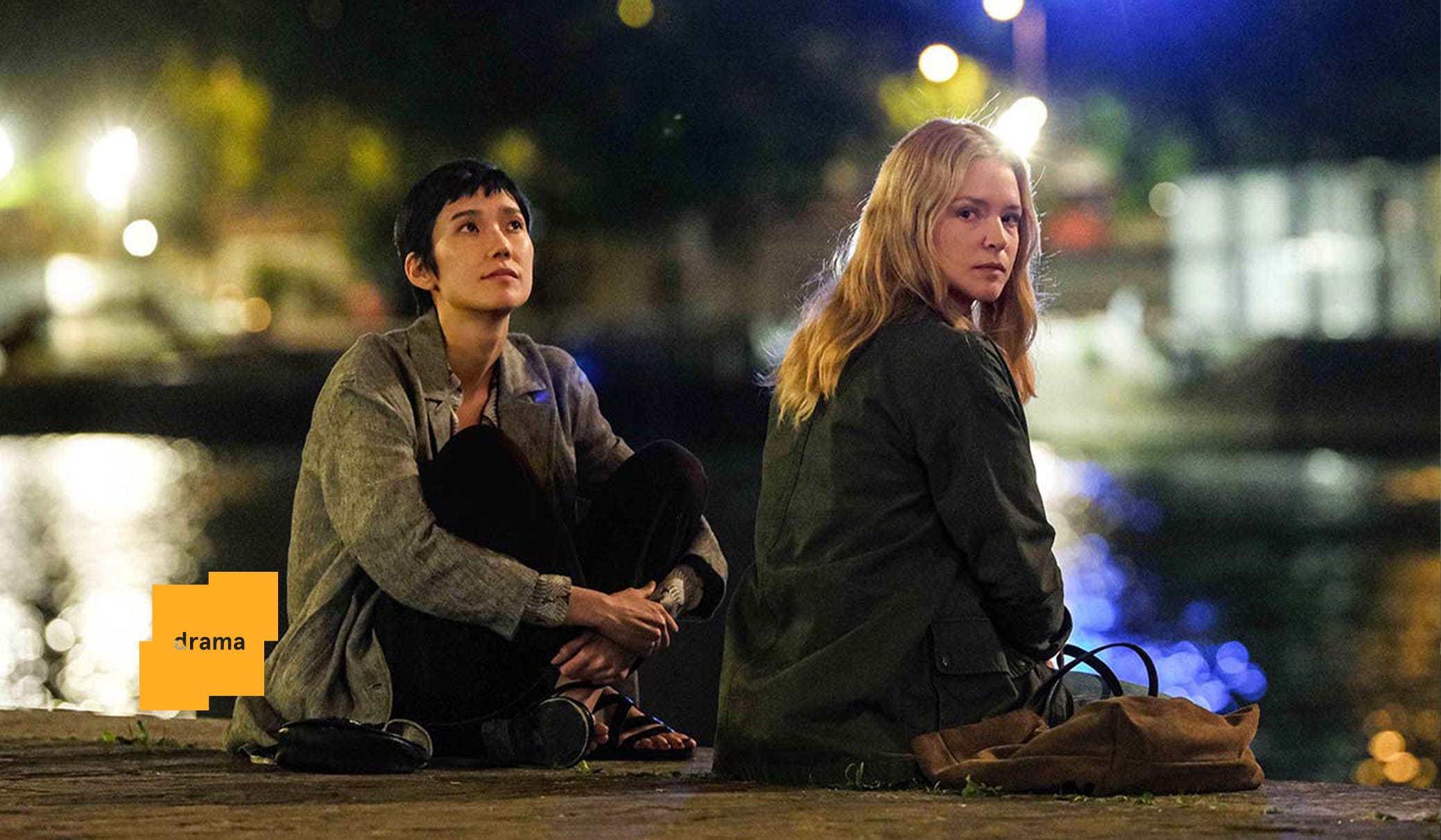
Ryusuke Hamaguchi returns to the competition with a tender and sentimental counterweight to his heady and introspective breakout Drive My Car. At 196 minutes, All of a Sudden would seem like an epic, and in some ways it is, but Hamaguchi simply uses the breathing room to allow his story to wander into every facet of its being. Marie-Lou (Virginie Efira), an overworked and underpaid French nursing home director, is near burnout when she has a meet-cute (platonic… perhaps) with Japanese playwright Mari (Tao Okamoto) that will change both of their lives in a fateful month.
All Of A Sudden cozily meanders through the pair’s days-long epic conversation and life entanglement covering everything from healthcare to capitalism to art to dying. Hamaguchi is as detailed and textured as ever, but also more tender and sentimental. The story, potentially cloying in another filmmaker’s hands, is thought-provoking, moving and life-affirming as it grapples with holding onto your humanity in a society that continually tries to strip us of it. It’s long, but every minute feels necessary and urgent. You’ll never want it to end and you’ll miss every single character when they’re gone. A masterpiece. My favorite for the Palme.

La Gradiva
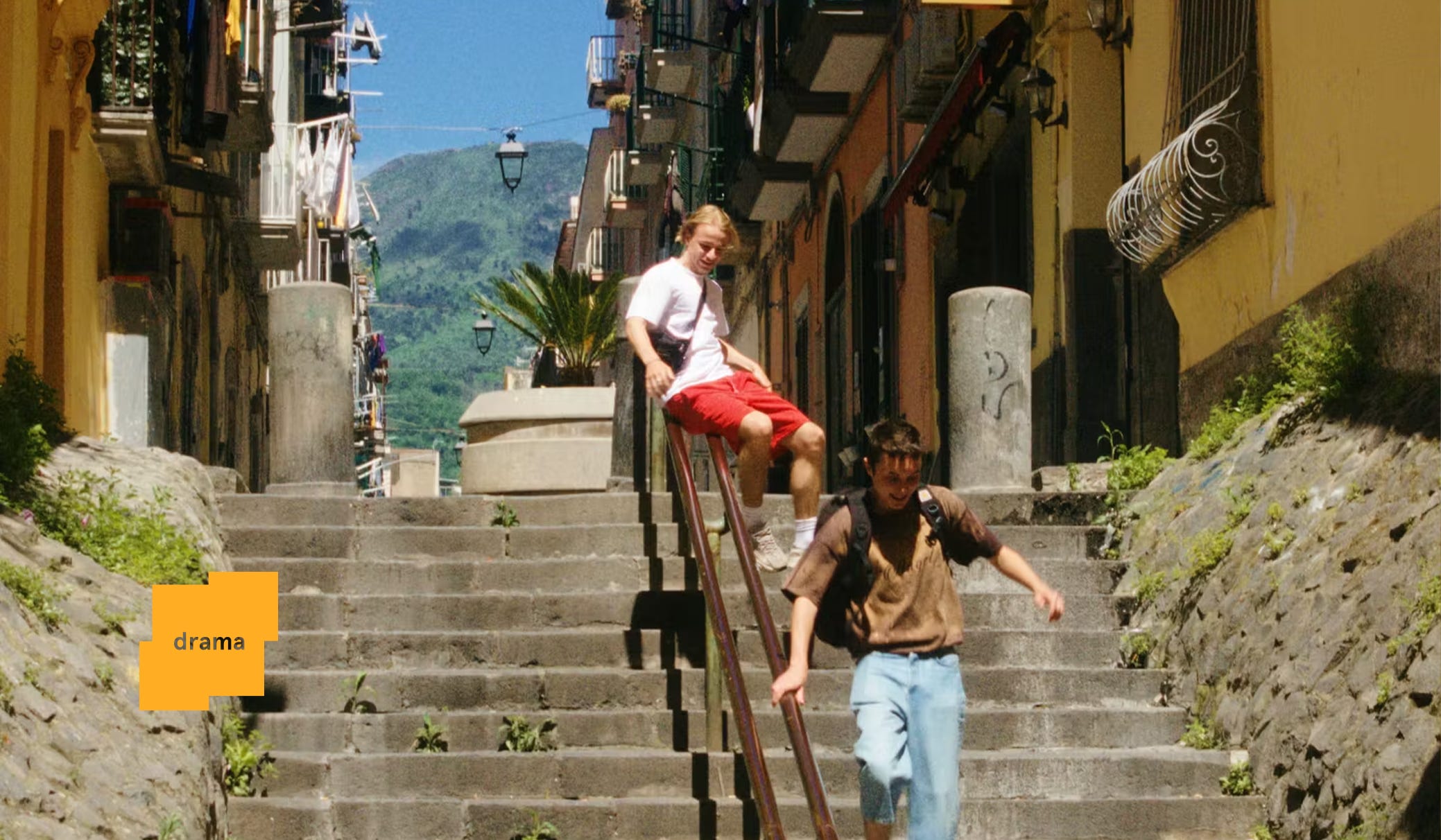
Cannes is really several film festivals in one. One of those offshoot festivals, Semaine De La Critique (or, Critics’ Week for you non-Francophiles), regularly produces some of the best and most interesting films of the festival. One of those is La Gradiva, the feature debut of French filmmaker Marine Atlan. This slow-burning but imminently watchable teen drama cozily meanders through the lives of a group of French students on a field trip to Naples, Italy. They’re rambunctious and full of life, to the amusement and chagrin of their teacher, but under the surface rife with profound depth that Atlan explores with deeply won empathy.
Each character, like the loud and gregarious Toni (Colas Quignard) or shy and sensitive Suzanne (Suzanne Gerin), and the world they inhabit are rendered with such detail and texture that it’s easy to lose yourself in the warm, romantic glow. But it’s only a vehicle to explore their inner lives with the same carefulness. Some wish to be understood. Some wish to avoid it. And some live in the gray area in between. It finds the love and joy in friendship and youth, but also the things that make us feel out of place in the world. In some ways, it’s a hangout movie for the ages. It’s two-and-a-half hours I’d live over and over again.
Hope
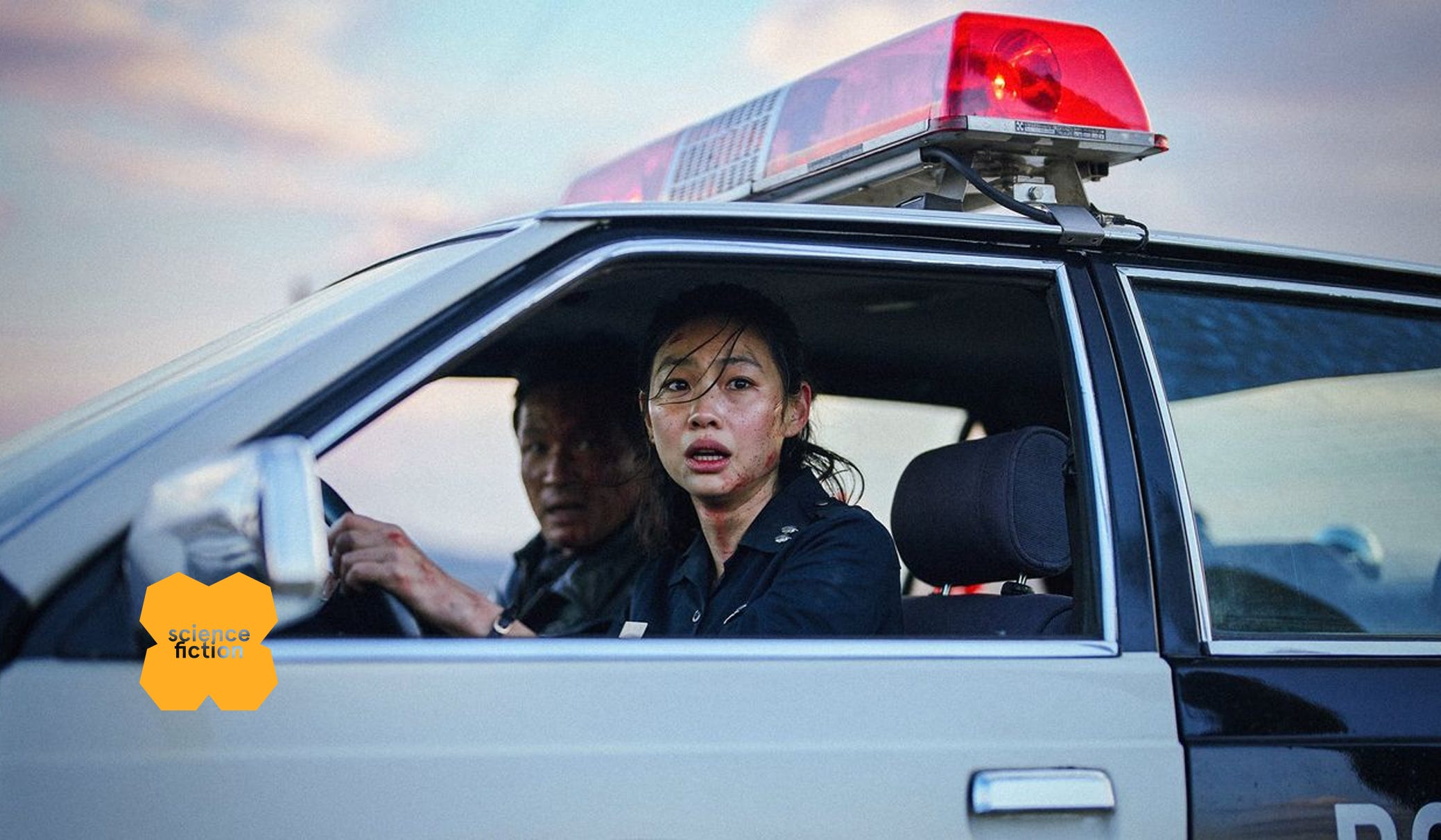
Hope is precisely the opposite of what you’d expect from a Cannes film. Korean director Na Hong-jin takes every cinematic rule and throws it out the window with this wacky Korean dark comedy by way of Spielberg-ian sci-fi action. Na intentionally misguides you in the movie’s serious neo-western opening minutes before dovetailing into an hour-long non-stop action sequence as a mysterious creature lays waste to a mountain with just a ragtag group of townies, the local sheriff (Hwang Jung-min) and his deputy (Squid Games’s Jung Ho-yeon, whose iconic entrance in the film drew a rapturous applause) to stand in its path. It’s ridiculous, over-the-top, and thrilling.
However, as if to throw a middle finger up to any storytelling conventions, the movie slows down to unravel as a delightfully peculiar creature feature mystery. With War of the Worlds, Aliens, The Thing, and even, Jaws in its DNA, Hope feels at once feels nostalgic and completely new. Like we’ve been watching it in midnight screenings for years. For the festival to screen this film in competition is refreshing. Who said Cannes can’t have fun?
Clarissa
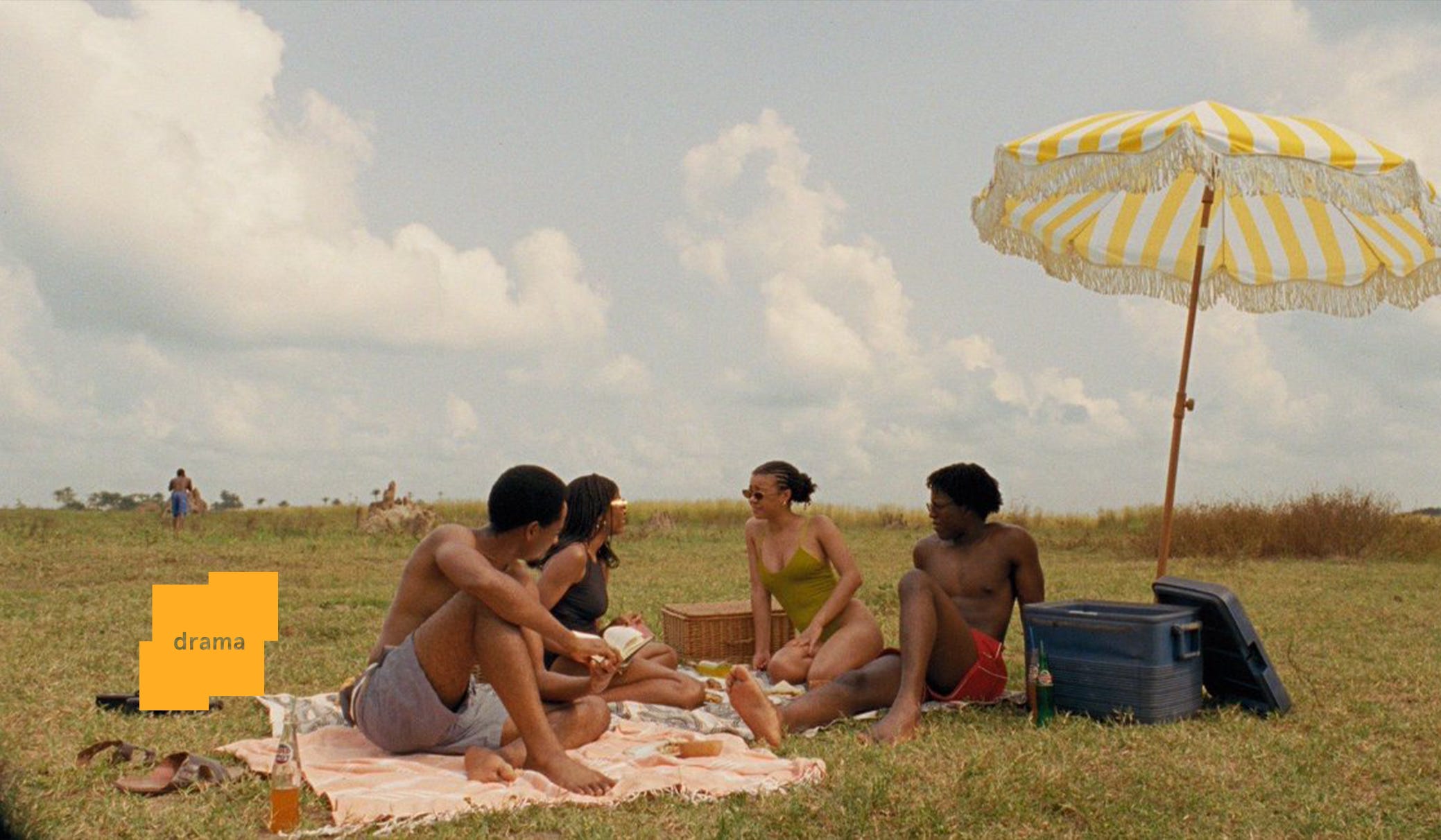
Clarissa, a quiet but cozily detailed retelling of Virginia Woolf’s Mrs Dalloway updated to modern day Nigeria, is a reimagined classic done right. It’s miraculous how directors Chuko Esiri and Arie Esiri effortlessly explore the effects of colonialism and oppression on the youth. It feels true to the novel’s heart while bringing a personal angle that fits so well with the current state of Nigerian society. Chuko and Arie’s rendering of Nigeria in two separate time periods is warm, nostalgic, and lived in. The intoxicating youthful summers of the past and how they lead to the stilted structure of the present is engrossing.
That’s also thanks to an ensemble cast that bring their characters to life, but none more than Sophie Okonedo and Nikki Amuka-Bird, and their younger counterparts India Amarteifio and Ayo Edebiri. It’s a challenging movie, much like the book, as it demands your attention and buy-in while promising that if you stick with it you’ll be rewarded. And it you are. Maybe we can just dance through the end of the world.
The Man I Love
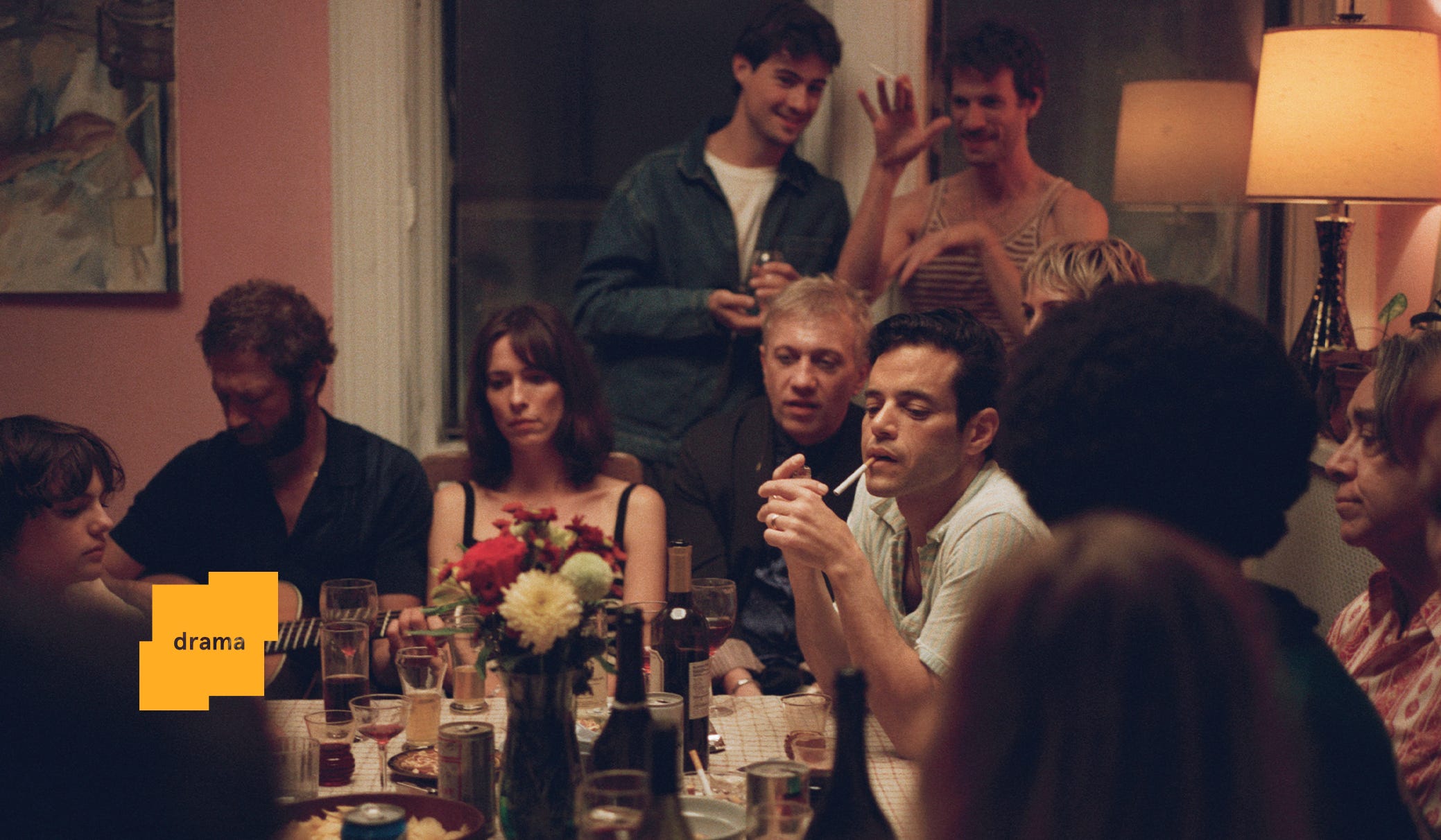
The Man I Love lives, in the moments between life’s big moments. It’s like a memory that you can’t quite get a grasp of, but the feelings are there clearly, as conflicted as they may be. But that’s just the truth of Ira Sachs’ detailed and textured rendering of the New York City art scene in the 1980s and the queer people that inhabited it. It’s mesmerizing and messy and joyous and dramatic, just like Jimmy (Rami Malek), who’s recently returned to acting after being gone for some unspecified reason.
Rather than a story, The Man I Love is a mood. It’s a time and place. One with some of the highest highs of queer art and expression and the lowest lows. The magnificence and melancholy are packaged up in this small story and sliver of time. People we never get to learn much about, but care for and yearn to understand nonetheless, feel like they come into our lives and we (just like them) don’t want to let them go. That’s because in their small touches and stolen glances, we know and we understand. Perhaps we can empathize, but more than anything, we can feel.

Minotaur
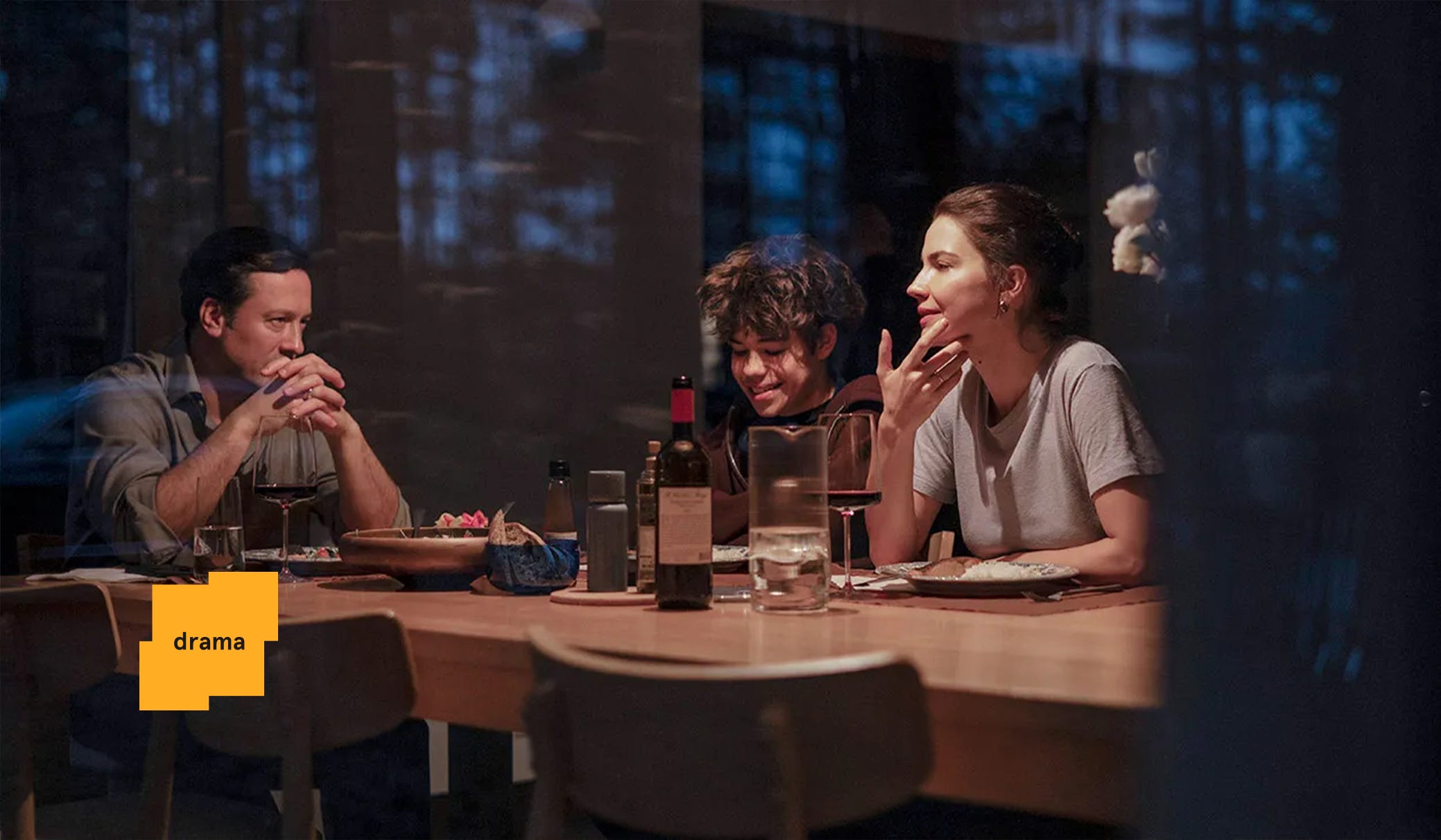
From the beginning of Minotaur, the Palme d’Or-competing film from Russian director Andrey Zvyagintsev, business executive Gleb (Dmitriy Mazurov) suspects his wife (Iris Lebedeva) of having an affair. Zyvaginstev presents very little mystery in that storyline, but that’s because the story he’s telling is much larger. There’s an air of dread as the early days of the Russo-Ukrainian War take hold. Gleb’s colleague watches footage of missile attacks while some on his team fret about the recent exodus of employees driven by fear of a draft, dissent for the government, or both. It’s the spectre that haunts every frame of the movie.
Yet the characters in the foreground barely acknowledge it and write it off as a conflict that will go away in a matter of weeks. But there’s state-supported propaganda lurking in the background. The domestic drama is familiar, but engrossing. With twists and turns abound as Gleb tries to confirm his suspicions. However, it is all to serve a dread-filled atmosphere of complacency. How do you live through a tragedy? You can grieve with it or ignore it. Minotaur is about how complacency isn’t victimless, much like The Zone of Interest or It Was Just An Accident.
How does the overall slate's quality compare to the last few years at Cannes? Any clear and obvious Oscar contenders?